 Our pick
Merzouga round trip
Camp chosen by option
- Winter
- Luxury tents heated
- Meals
- Dinner and breakfast
- Evening
- Drums and music
Guides
Language
EnglishCurrency
US dollar · $GetYourGuide shows prices in the currency you choose.
Guide · The camp
The desert camp on a Merzouga tour is the night the whole trip leads to. Here is what standard and luxury tents include, how cold it gets, and how to choose your option.
Editorial team, marrakech-to-merzouga.comUpdated October 24, 20266 min read23 sources
In short
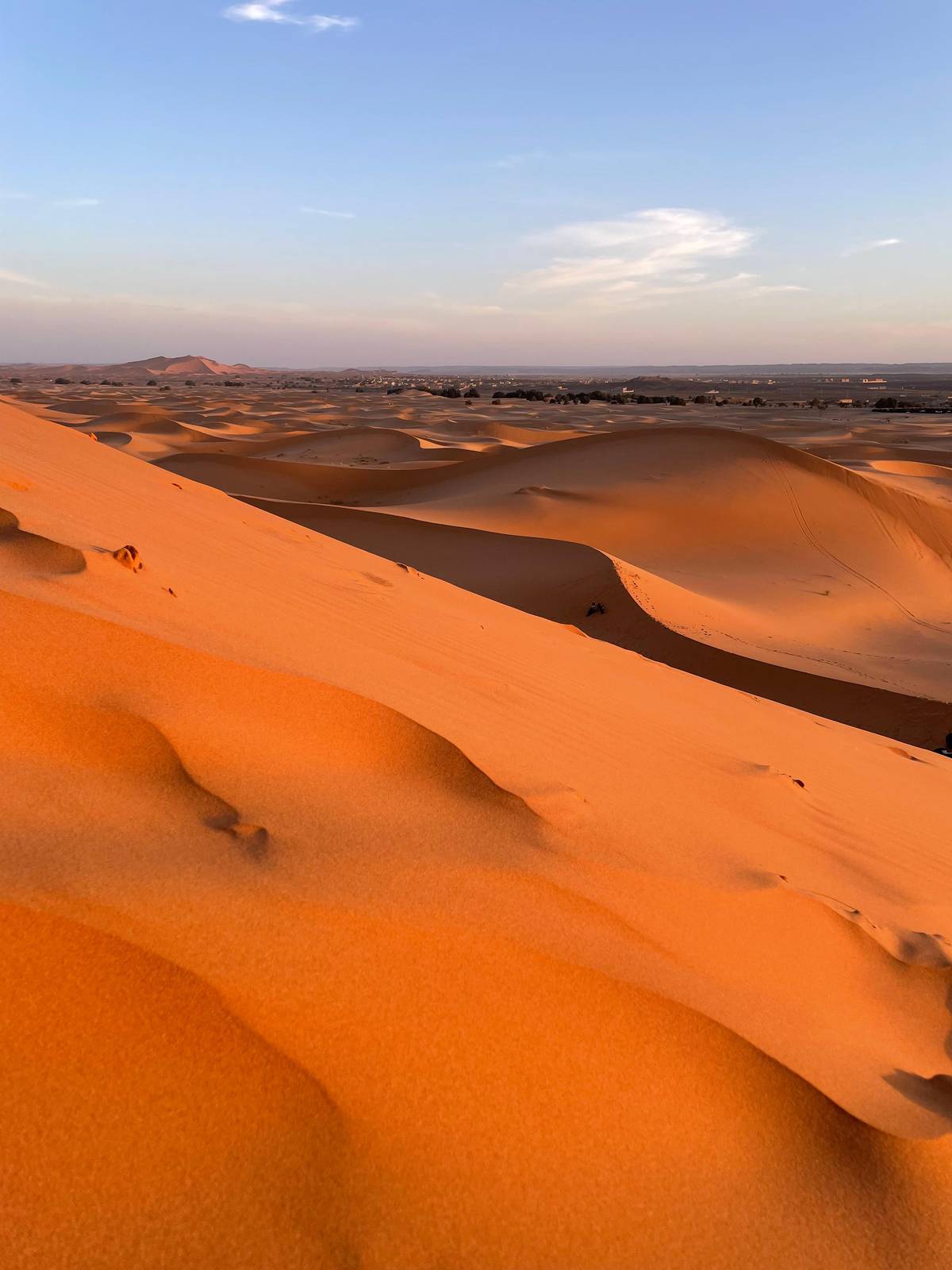
Erg Chebbi is a wide sandy area covered with dunes in the northwestern Sahara, near Merzouga and the Algerian border.23 An astronaut photograph taken from the International Space Station shows the tent camps as small clusters of light rectangles on the east side of the dune field; most are used by tourists.1
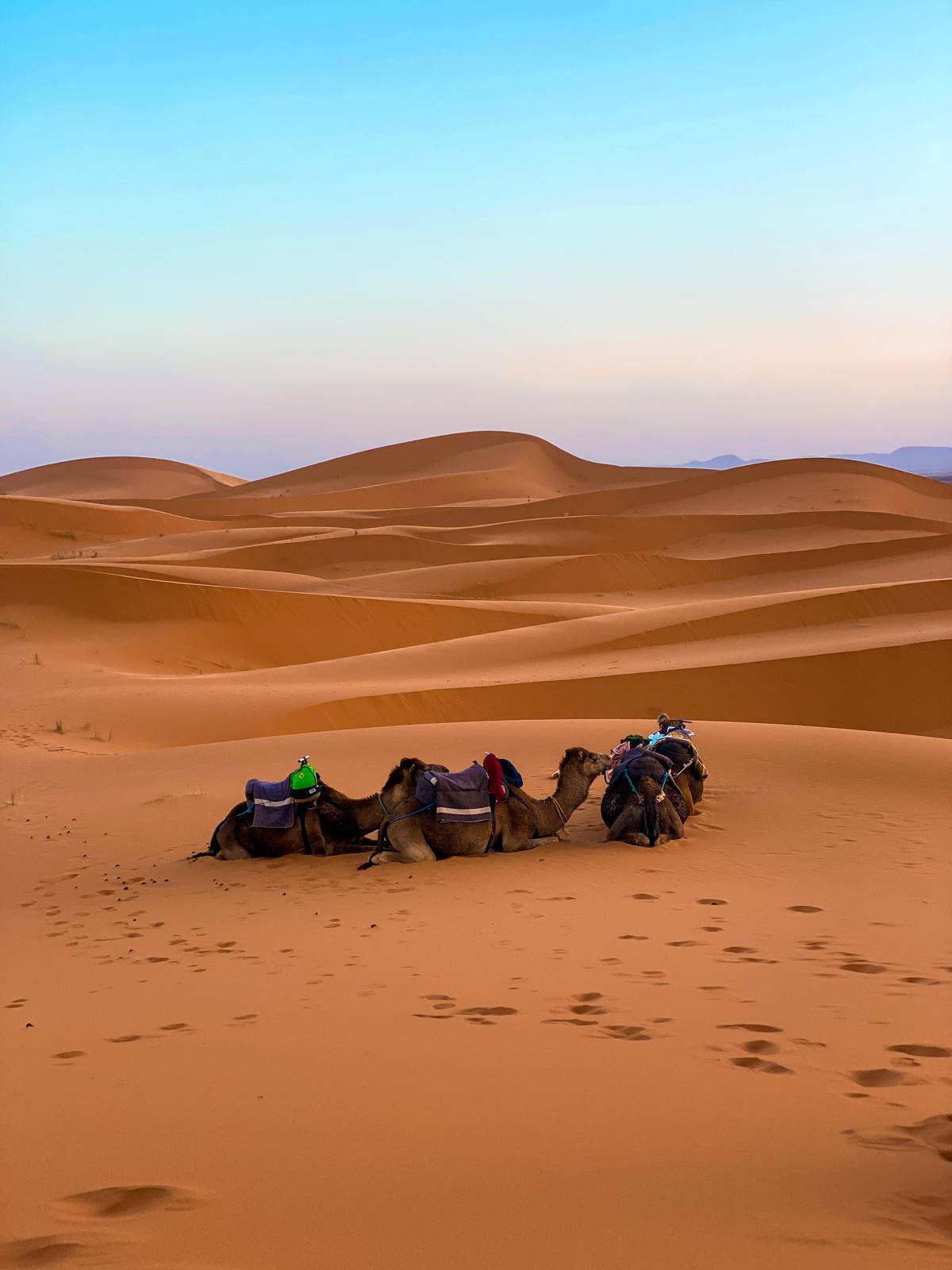
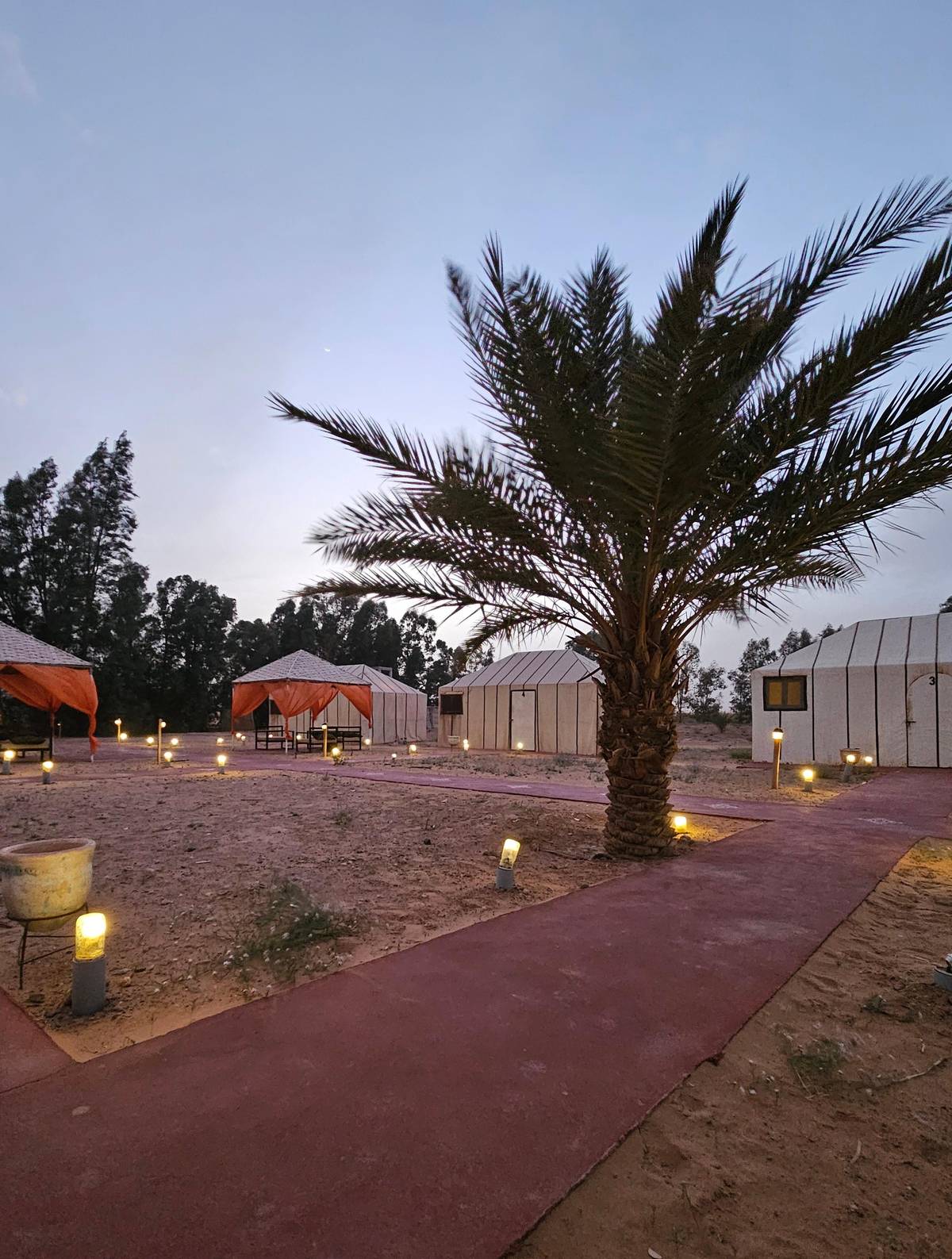
A camp is a cluster of tents around a sandy courtyard, with lanterns along the paths, a dining tent or terrace and a fire pit where the evening ends. The camps sit in the sand itself, a short ride from the edge of the village, so you arrive by camel or by four-wheel drive and leave the same way in the morning. Your main luggage stays behind in the vehicle.
The tour this site recommends includes 1 night at the Erg Chebbi desert camp you choose, depending on the option booked, plus a hotel night on the road. That choice of option is a big decision: it sets how you sleep, wash and stay warm.
One night in the dunes
Late afternoon
One trek leaves at 16:00, or 18:00 in summer.
Sunset
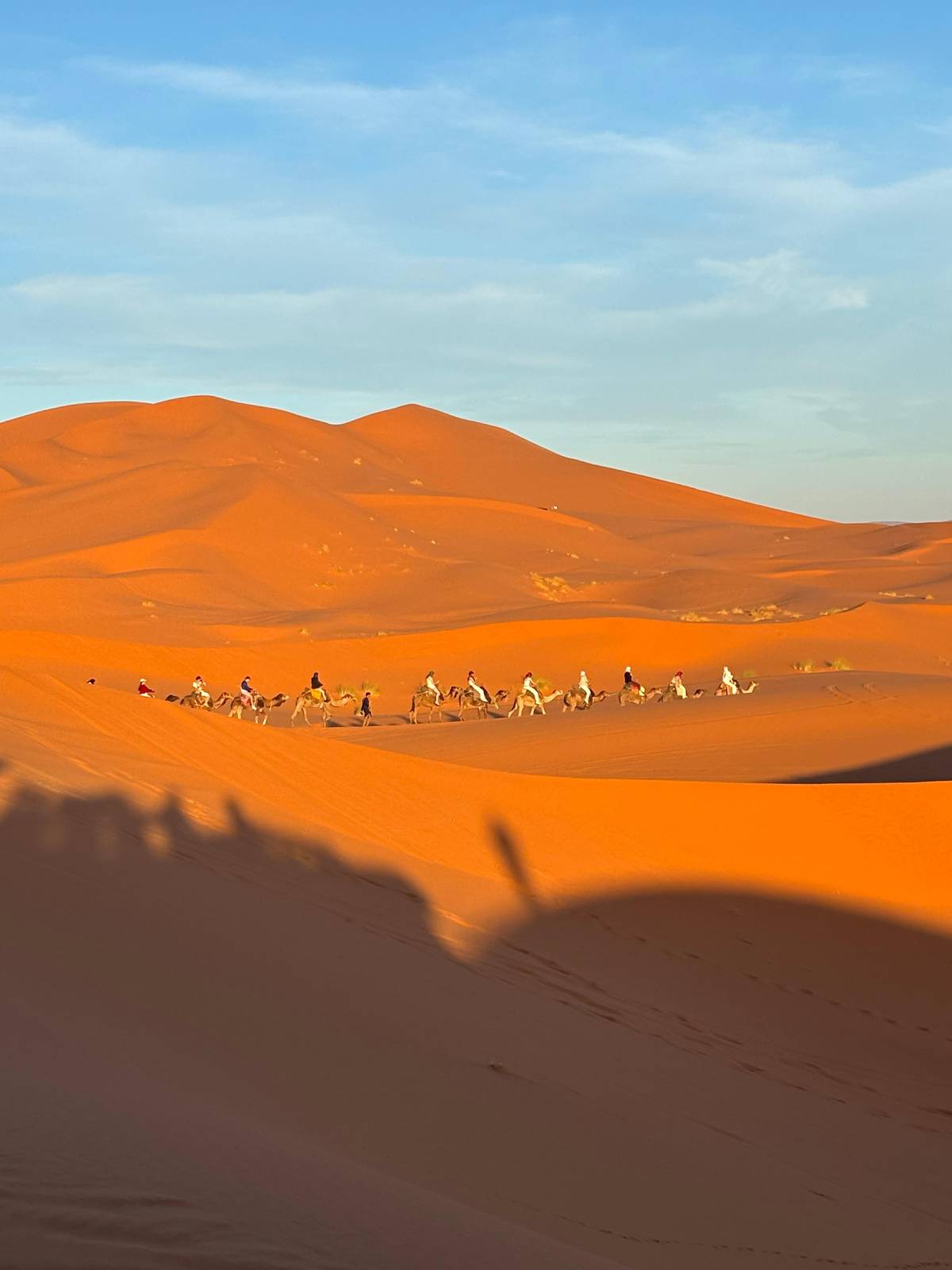
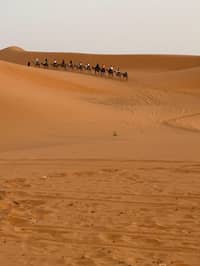
A camel ride at sunset is a highlight of our pick.
Evening
Dinner is included, with special diets on request.
After dinner
Berber drumming and music are included.
Dawn
A sunrise ride back to the village, then breakfast.
A standard tent is a private sleeping tent with beds and blankets, and the bathrooms are shared with the rest of the camp. The one-way tour to Fes describes it exactly that way: standard tents with shared bathrooms, luxury tents with private bathrooms. The 2-day Zagora safari offers the same split, a standard camp with a shared bathroom or a luxury camp with a private one.
In winter the gap between the grades widens. On the tour we recommend, standard tents have no heating from November to February, only warm blankets, while luxury tents are heated. Another round trip also provides warm blankets in winter and suggests bringing warm sleeping clothes, as temperatures can drop to 0 °C.
None of this makes a standard tent a bad choice. In spring and autumn the nights are mild, and the night itself, the dunes, the dinner and the sky, is the same for everyone in the camp. Choose standard if you are travelling on a budget, sleep easily anywhere and do not mind a short walk to the shared washrooms.
Nights by month
Grades compared
| Tour | Standard tent | Luxury tent |
|---|---|---|
| Merzouga round trip | Blankets, no heating in winter | Heated in winter |
| Safari with food | Standard camp, options 1-2 | Private bathroom, hot shower |
| Desert tour to Fes | Shared bathrooms | Private bathrooms |
| Sahara trip to Fes | Basic comfort | AC or heating, private bathroom |
| Zagora safari | Shared bathroom | Private en-suite |
As each GetYourGuide listing describes its camp grades; what a grade includes differs from tour to tour.
Three camp nights
Our pickCamp chosen by option
 Lowest price
 No long drive
If you are already in Merzouga
Decision helper
Match the tent to your month and your needs
Standard tents have no heating in those months on our pick.
The food safari's luxury camp has a private bathroom and hot shower.
Nights are milder: April lows average 13 °C at Errachidia.4
Overnight treks leave from the village in the late afternoon.
It starts from $80 for 3 days from Marrakech, rated 4.71.
Tent camps are located on the east side of the dune field, visible from space as small clusters of light-colored rectangular shapes.
The upgrade is about comfort inside the tent. The food safari's luxury camp, its option 3, comes with a private bathroom and a hot shower. On a one-way tour to Fes the deluxe tents add air conditioning or heating and a private bathroom. On the tour we recommend, luxury tents are heated in winter.
That makes a luxury desert camp worth considering in two situations: in the cold months, when a heated tent changes the night, and in the hottest months, when a tent with air conditioning makes sleep possible at all. At Errachidia, the nearest climate station, the average low in January is 2 °C and the average high in July is 39.5 °C.4
Some tours build the private tent into the price. The lowest from-price among the 3-day trips compared on this site belongs to a tour that includes a private tent, starting from $80 and rated 4.71 from 2,411 reviews. Read what private means there before you assume a bathroom comes with it.
Map
First the whole road with Fes and Zagora, then the two gorges at Boumalne and Tinghir, then the oasis towns and the sand sea of Erg Chebbi.
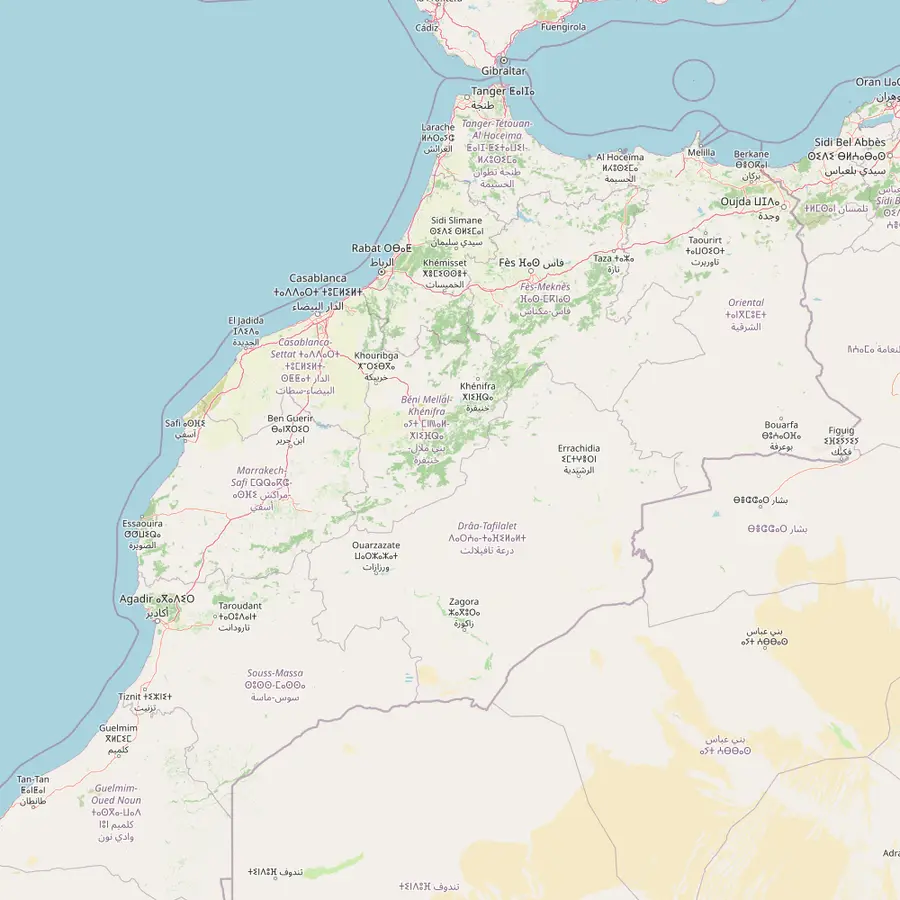 1Marrakech2Tizi n'Tichka3Ait Ben Haddou4Ouarzazate5Boumalne Dades6Tinghir7Errachidia8Merzouga9Zagora10Fes11Midelt
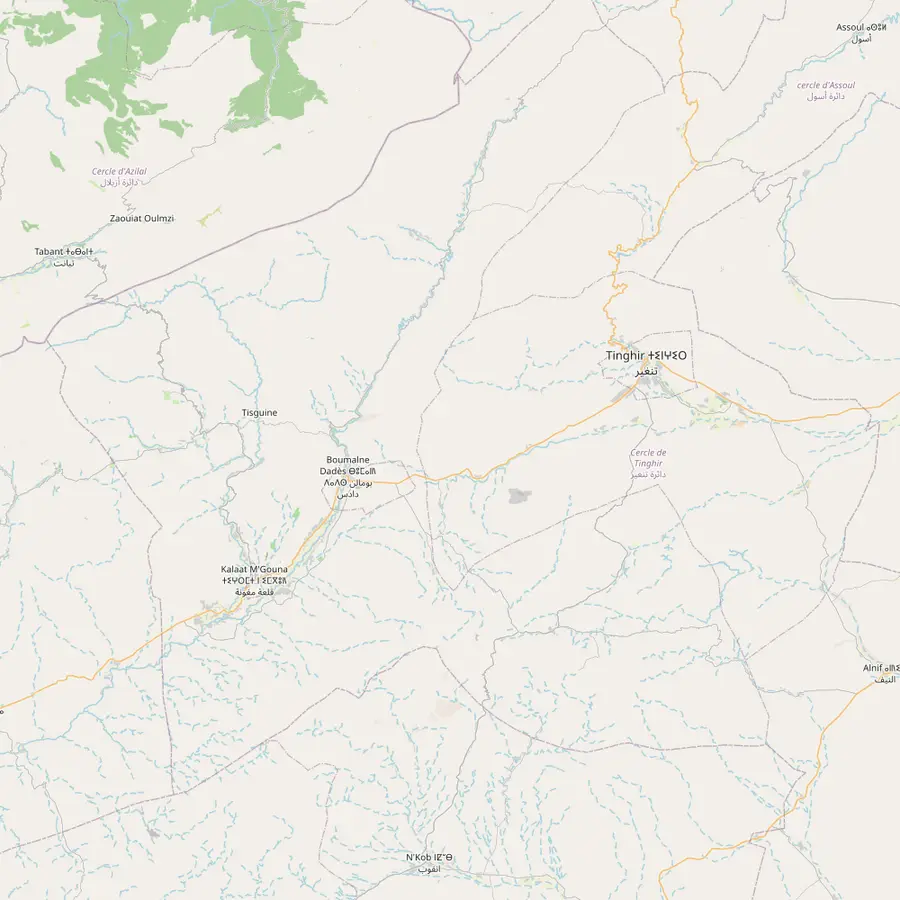 5Boumalne Dades6Tinghir12Kalaat M'Gouna13Dades Gorges14Todra Gorge
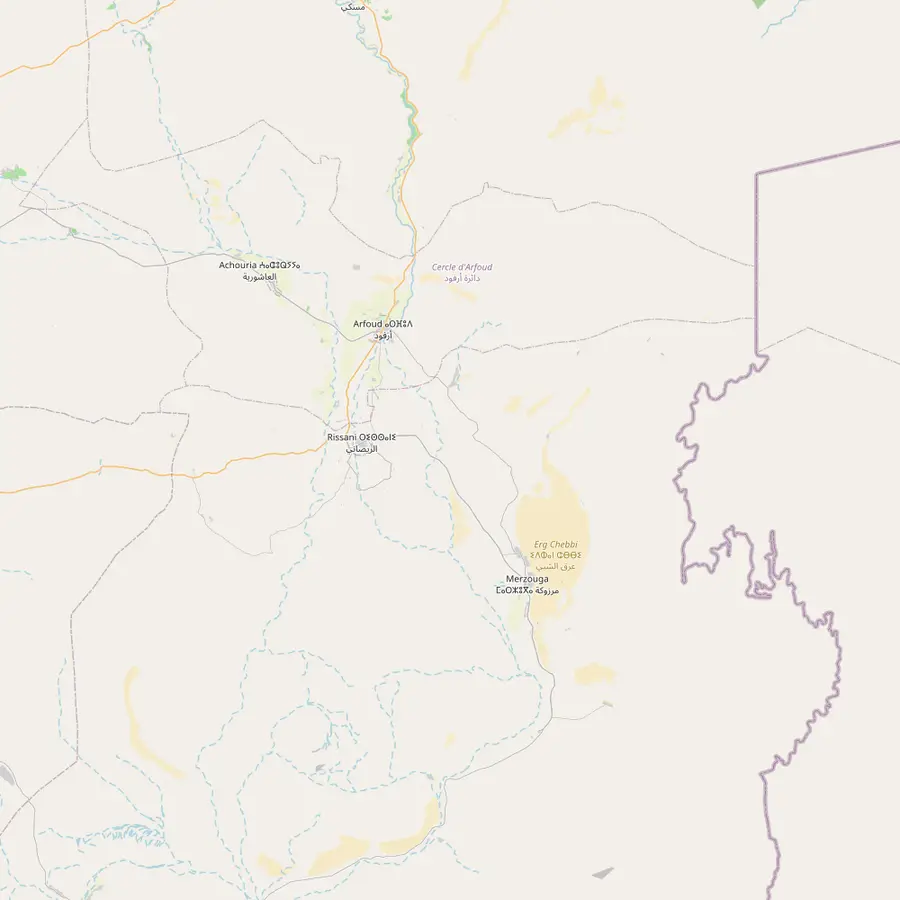 8Merzouga15Erfoud16Rissani17Erg Chebbi
Start and end of the round trip; its medina, founded in 1070-72, has been a World Heritage site since 1985.56
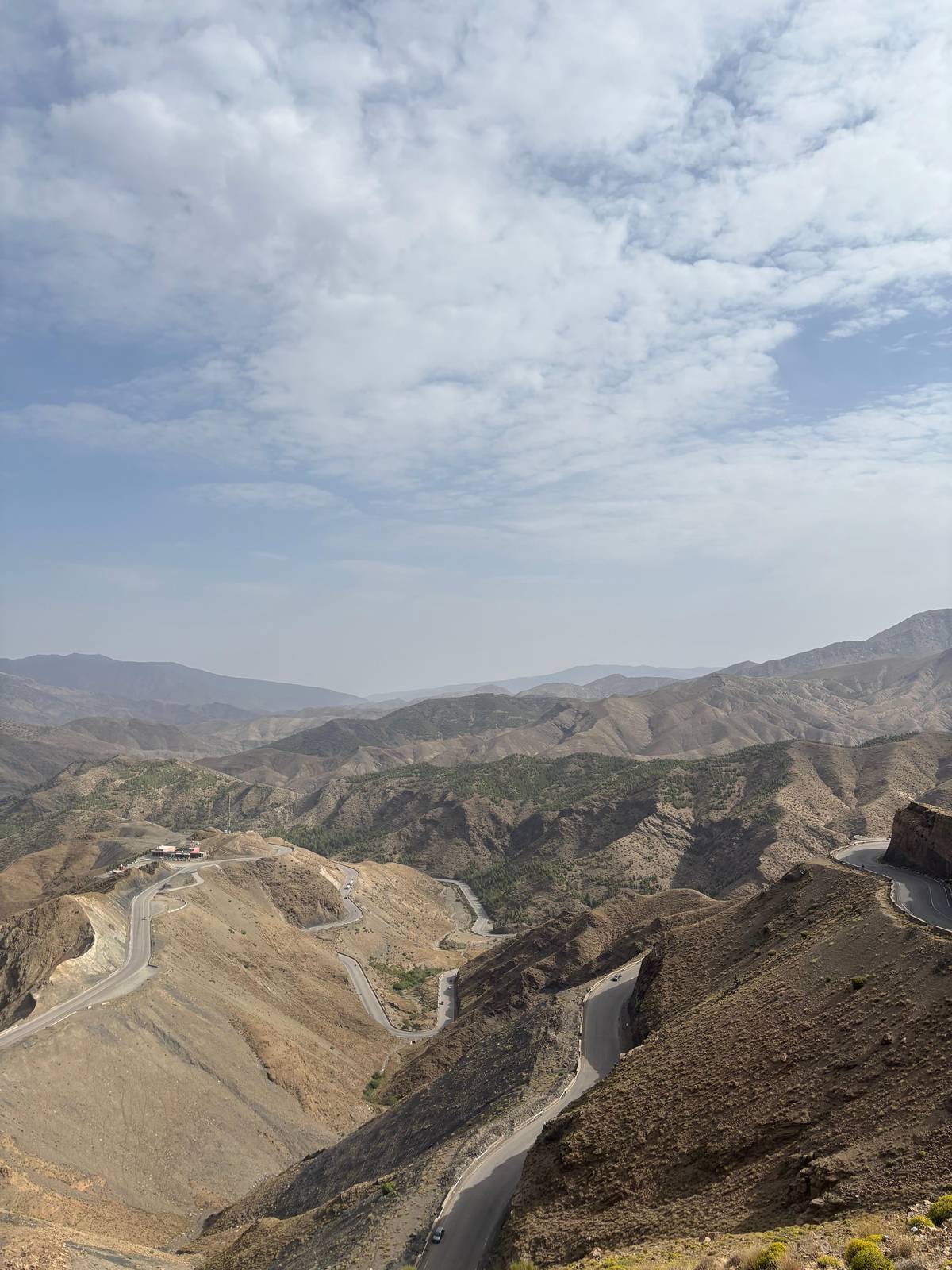
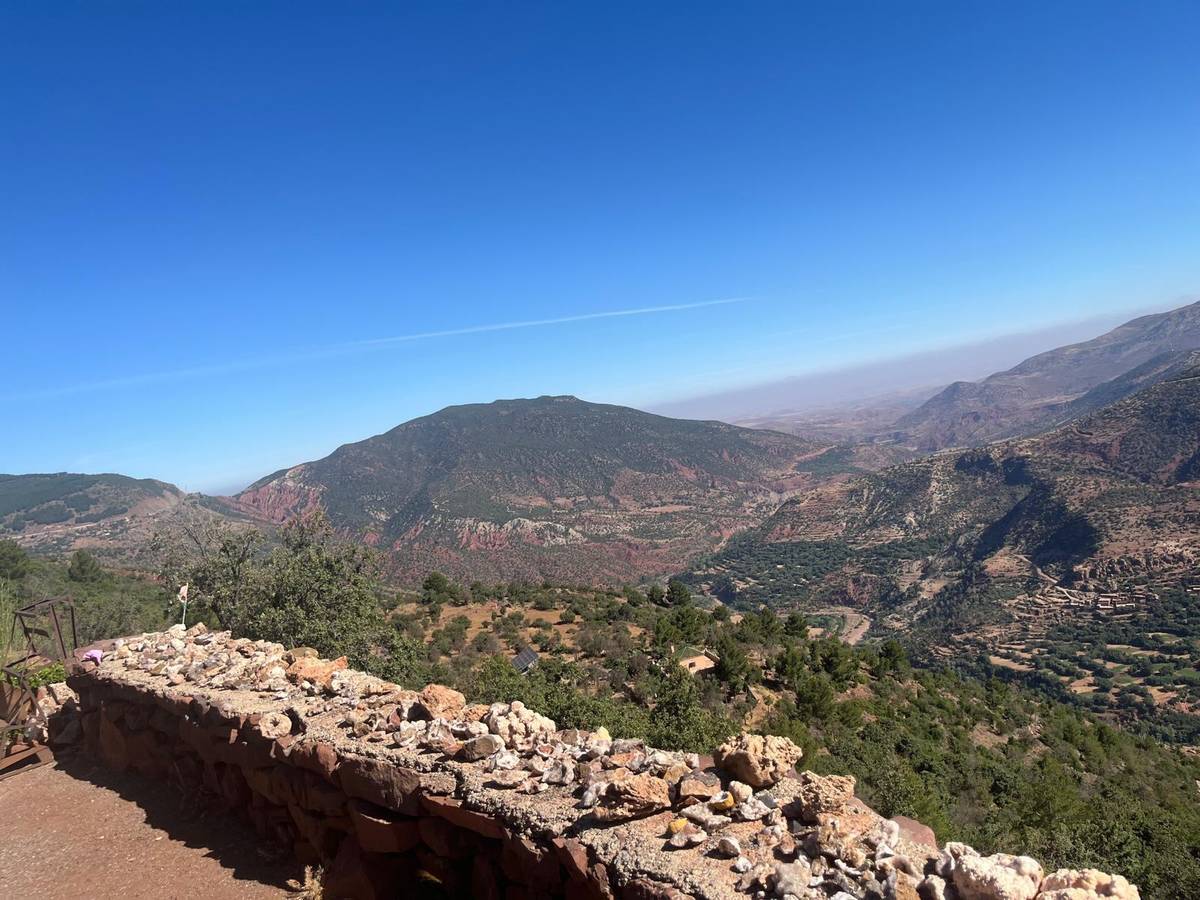
In Google Maps ↗The High Atlas pass on the road to Ouarzazate, 2,267 m high.78
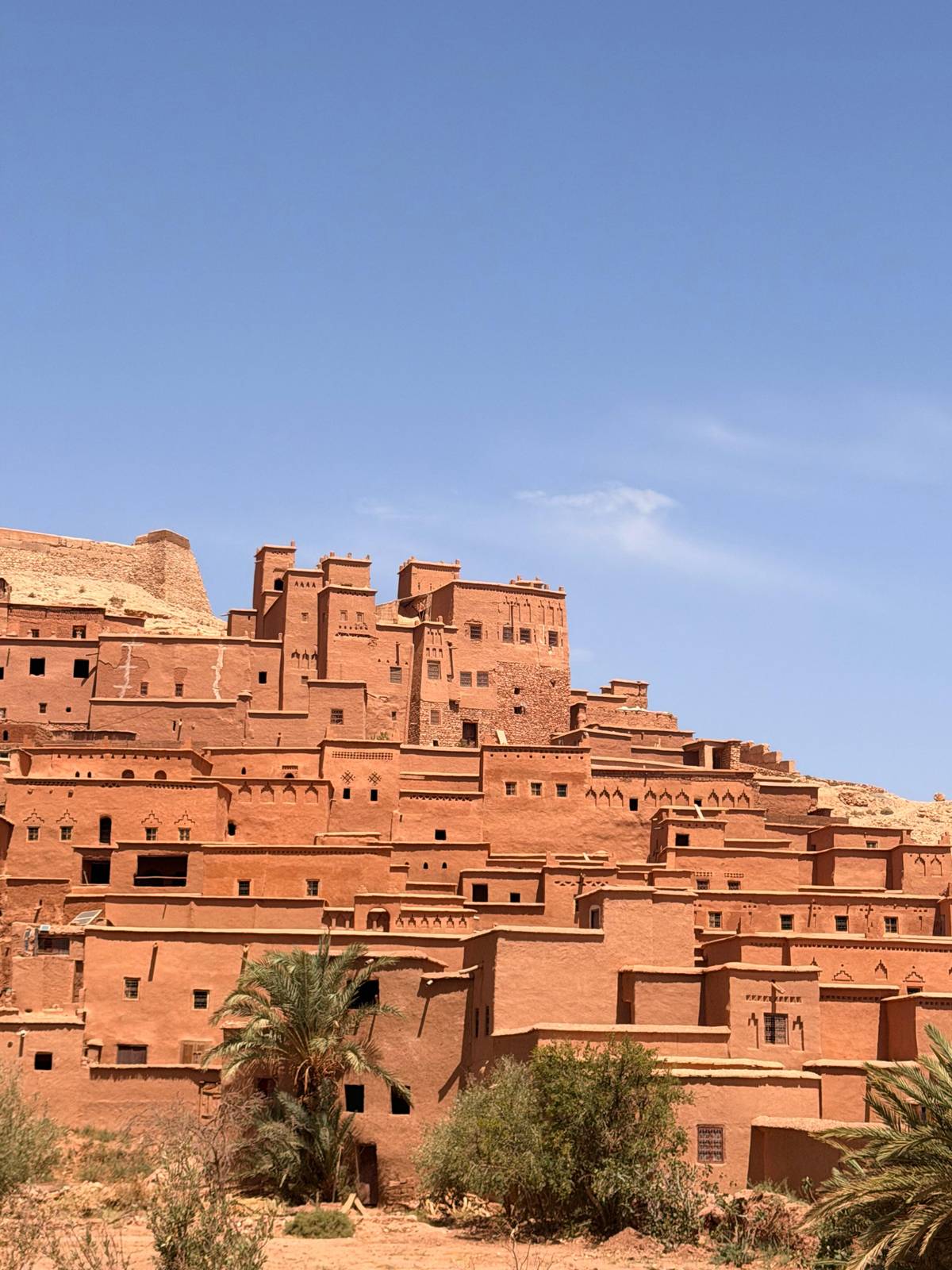
In Google Maps ↗An earthen ksar on the southern slopes of the High Atlas, a World Heritage site since 1987.910
In Google Maps ↗An oasis and road junction on the Saharan side of the High Atlas, near where its river joins the Draa.118
In Google Maps ↗The private-tent tour from Marrakech stops here for its first night; the Dades runs 350 km south to the Draa.12
In Google Maps ↗The private-tent tour lists 40 minutes in Tinghir and 20 minutes at the Todra River.
In Google Maps ↗The WMO climate station behind this site's month-by-month figures, at 1,037 m.13
In Google Maps ↗The village beside the dunes, where a large aquifer feeds palm groves and fields.14
In Google Maps ↗An oasis on the Draa and the goal of the 2-day desert trips from Marrakech.15
In Google Maps ↗Where the one-way desert tours end; its medina has been a World Heritage site since 1981.16
In Google Maps ↗The lunch stop on the last day of two one-way tours to Fes.
In Google Maps ↗A 20-minute break on the private-tent tour; the food-included safari sleeps in this area on night one.
In Google Maps ↗The gorges of the Dades River, a popular tourist destination.17
In Google Maps ↗The Fes to Marrakech luxury-camp tour lists 1 hour at the Todra River.
In Google Maps ↗One of the fortified villages of Tafilalt, the largest Saharan oasis of Morocco.1819
In Google Maps ↗A Tafilalt village; the oasis's old capital Sijilmassa was founded in 757 CE.1920
In Google Maps ↗Star dunes, some over 100 m high, that formed more than 13,000 years ago.2122
In Google Maps ↗Checklist
Cost calculator
Enter your group size to compare four ways to sleep in the dunes.
Total from$274
pp from $137
Check availabilityfree cancellationThe sum multiplies each trip's GetYourGuide from-price by the size of your party and converts it at the day's ECB rate; checkout shows the final figure.
Video
The video starts loading once you tap play.
On the listings that give a time, the ride into the dunes starts in the late afternoon. One overnight camel trek from Merzouga leaves at 18:00 in summer and at 16:00 in the other seasons. On our recommended tour the listing names a camel ride at sunset among its highlights, with a 4x4 transfer as the alternative.
Dinner is included on the tour we recommend, with vegetarian, vegan and gluten-free options if you tell the driver on the first morning, and the evening programme includes Berber drumming and music. Eat slowly, drink plenty of water and keep a layer within reach: the desert cools quickly once the sun has gone.
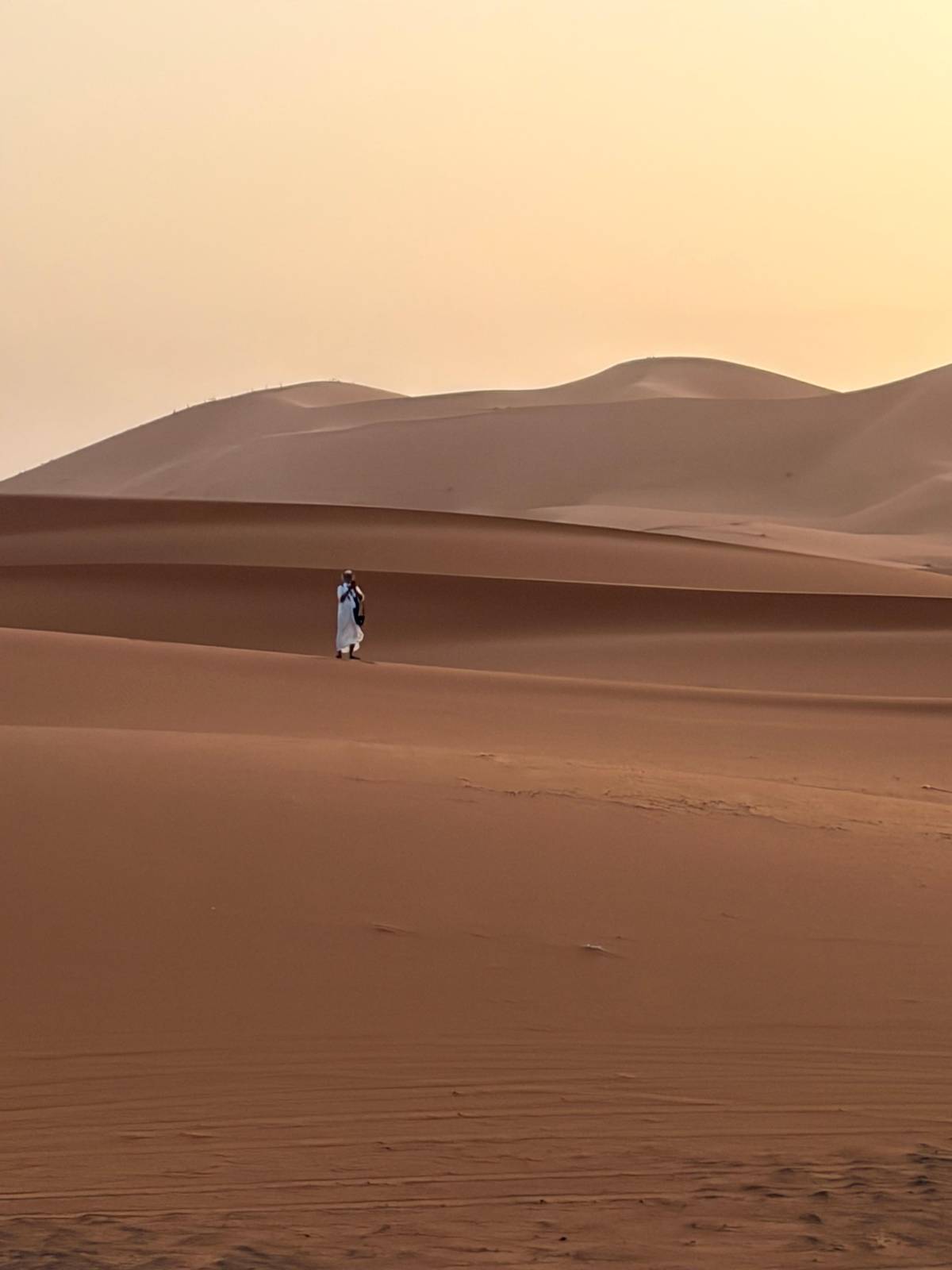
Sandboarding is included as well; wear clothes you do not mind filling with sand. After dinner, walk a few minutes away from the lanterns. Without light around you, the sky over the dunes fills with stars, and the silence of the sand at night is a rare thing after a few days in the city.
The desert is not hot at night. Across the Sahara, December to February averages about 20 °C by day and 5 °C by night, and June to August about 40 °C and 25 °C.23 Our recommended tour puts its winter nights at 0 °C to 5 °C.
Errachidia, the climate station closest to the dunes, sits at 1,037 m and 103 km north of Merzouga, so its figures describe the Ziz valley rather than the camp itself.13 Its normals still show the shape of the year: average lows of 2 °C in January and 3.5 °C in December, rising to 25.8 °C in July.4
Pack for the season you travel in. In winter, sleep in warm layers, a hat and socks, even in a heated tent, and keep a fleece for the sunrise ride. In summer, drink often, wear a hat in the afternoon and ask before booking whether your tent has air conditioning; the listings differ.
The camp night is short. The sunrise is the reason to get up in the dark, and the listing we recommend describes the morning plainly: wake early for the sunrise over the dunes, then ride your camel back to the village. The food safari asks its guests to climb a nearby dune for the sunrise before the ride back to the auberge and breakfast.
Take the climb slowly. Soft sand on a steep dune face is hard work, and the cold of the night is still in the air before the sun is up. Put on the warm layer you slept in, leave the big camera bag in the tent if the climb is long, and sit down on the crest a few minutes before the light comes. The colours change fast, from grey to rose to orange, and the shadows of the dune ridges are longest in the first minutes.
Back in the village, breakfast is included on our recommended tour, and then the long drive to Marrakech begins. Shake the sand out of your shoes and backpack before you get into the vehicle, refill your water bottle, and keep the fleece close: the morning in the desert is cool, but the van warms up quickly once the sun is high.
Start with the month. Between November and February, the difference between a heated and an unheated tent is the difference between a cosy night and a long cold one, and the heated luxury option earns its price. In spring and in October, a standard tent is fine if you pack a warm layer.
Then think about washing. A private bathroom and a hot shower after a day on the road and an evening in the sand is a real comfort, and it comes with the luxury grades on the tours compared here. If you can live without it for one night, the standard tent saves money.
Finally, read the listing's option names carefully. Different tours use different camps, and two tours with the same name for a tent may not offer the same thing. Where the record is vague, ask the operator in the GetYourGuide chat before you pay.
Your desert trip
Pick a date, get collected at your riad, and cancel free up to 24 hours before.
Only some grades. On our recommended tour luxury tents are heated in winter; standard tents get warm blankets but no heating.
Around freezing. Our recommended tour gives 0 °C to 5 °C for November to February nights.
No, bathrooms are shared. Standard tents share bathrooms; luxury tents have private ones, as one Fes tour lists.
Yes, on our pick. Breakfasts and dinners are included, with vegetarian, vegan and gluten-free options on request.
No, take a small backpack. Large suitcases stay in the vehicle; camels cannot carry large luggage.
Late in the afternoon. One Merzouga camel trek leaves at 18:00 in summer and 16:00 in other seasons.
No, bring cash. Our recommended tour notes there are no ATMs in the desert; carry cash for drinks and tips.
Sources